










Do you know the impact of your digital footprint?
Starting at the beginning, the digital footprint is nothing more than the data collected about what a person, or entity, does on the internet. The websites you visit, the social networks you use, the videos you watch, the purchases you make or the music you listen to. But what does this mean? Is it good or bad to leave a large digital footprint? Can it be deleted?
Let's go in parts. The expression “footprint” immediately describes the trailing action. A clue that someone or something was there. It is, therefore, proof that can lead us to identify something or someone.
In the past it was still said that everything on the internet was anonymous, but today, everything is different. We all know what cookies are and how an IP works. Although the average user has an idea that can be followed and identified, they may have no idea how this is done.
What is the digital footprint?
The digital footprint can be divided into two categories - passive and active. Thus, the passive digital footprint is based on simple browsing activity or data saved in cookies. The active sector tends to have more user intervention with publications on social networks, accounts created on websites and online services, among others.
The digital footprint allows entities (people, companies and brands) to create their online presence, establish connections, emotional or otherwise, with the aim of increasing their reputation and influencing the public.
Brands create a digital footprint to reach potential customers and retain existing customers. People build a personal brand online to, for example, increase their chances of getting a better job.
While there are advantages to a digital footprint, there are also privacy issues to be aware of. For example, companies can use the data and information obtained from the digital footprint to create personalized advertisements that meet users' tastes.
In addition, there is the possibility of these same users becoming targets of surveillance and espionage by hackers or large brands. Therefore, it is essential that internet users are aware of the risks related to their digital footprint. To this end, it is important to make a regular commitment to protecting personal information. Such as regularly reviewing privacy settings, using protective software, and paying attention to information shared online.
How do you create a digital footprint?
The digital footprint begins with sending data from a computer, tablet, smartphone or network to the internet. When accessing a website or sending a message, your data will pass through servers. Then the server owner or manager will decide what to do with this information. Register, save or share with third parties.
Your entire browsing history can be saved and later analyzed. Browsing data is your IP (which identifies your access device, as if it were a car license plate); the type of device (computer, cell phone, operating system, brand, etc.) and location.
This data also includes information such as the websites you visited, when and how much time you spent on them, among other premises.
Is digital footprint important?
Your digital footprint is important because it is the foundation of your online reputation. Which is nothing more than the way companies, employers, entities and others think about you.
It's not just advertisers who use your digital footprint to understand your tastes. Did you have a job interview? A hot conversation on a social network or forum? Your footprint will include this information and will be used to assess the type of person you are.
Keep in mind that everything you do online is monitored and saved. Therefore, some attention is needed so that nothing is used against you in the future. And being the target of identity theft or the victim of some online attack.
Is it possible to erase the digital footprint?
Eliminating our digital footprint is almost impossible, because any trace of your activity on the internet has already been stored on servers of entities, companies and governments.
However, it is possible to minimize your digital footprint and reduce the information that exists about you. However, this process is not easy. The tip we leave is that prevention is better than cure. In other words, it is much simpler to prevent information from appearing on the internet than to delete it after it has been published.
So is it possible to control the digital footprint?
Yes, and that's why we leave you 6 tips to limit your digital footprint. Control the privacy settings of the services you use. Try to know as much as possible how all the settings in your internet browser, your social networks or the websites you visit work. Control your browser's cookies and actively manage your browsing. For example:
- - Ask Google not to save your history;
- - Prevent applications from knowing your location;
- - Prevent social networks from knowing your activities outside of networks;
- - Always distrust the original settings;
- - Share the minimum amount of information about yourself;
- - Keep your online information always up to date, and If any entity or company has outdated information about you, ask it to be corrected or removed;
- - Delete old accounts on social networks or websites;
- - Use a VPN to protect yours activities and communications. Since a VPN creates a layer of encryption around your traffic, it hides your IP to make identification almost impossible;
- - Create complex passwords and change them frequently.
What happens to your digital footprint after you pass away?
Let's now talk about the question that has generated more and more discussion. With technological advances, the amount of information and data we leave behind when we die can be enormous and quite complex.
The digital footprint includes everything we create or share, such as: photos, videos, messages, posts on social media, among other manifestations. But it is also personal data, bank records, purchase or search history, as well as banking information, among others.
What happens to each of us' digital footprint will depend on the legislation of the country we live in and the way we manage all our information and data online.
Recommended Products
View all
 36 Months

 36 Months

 36 Months

€39.95



Other Articles
See more
CES starts on the 5th and iServices will be there
CES, the annual technology fair that takes place every year in Las Vegas, starts on January 5th and we will be there.
How to reboot new iPhones?
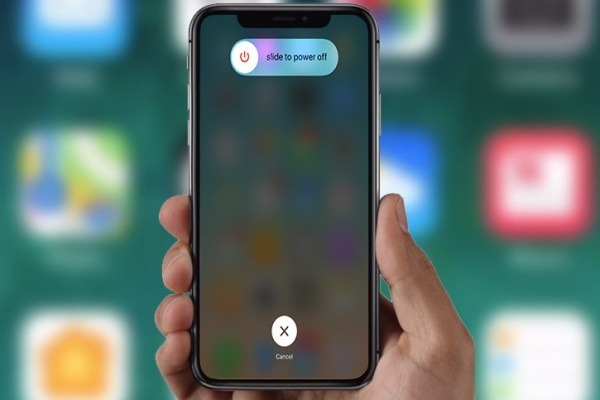
With the arrival of the iPhone X, which no longer has the home button, the process of rebooting your iPhone will return.

DJI Osmo Action, Pocket or Mobile 3?
In less than a year, DJI has released three new Osmo stabilizers, all of which are easy to carry and promise to revolutionize your imaging.