No store found
Try searching for a different store or check your spelling

Favourite Store
Select your favourite store
No store found
Try searching for a different store or check your spelling

Increasingly long refresh cycles have been a challenge for all premium smartphone brands, with a growing number of consumers feeling that the relatively limited differentiation between models, from one year to the other, does not justify the high prices and the change of equipment. Manufacturers may be displeased because they sell less, but this reality is quite favorable to our Planet!
According to more recent data from a studyconducted by Consumer Intelligence Research Partners(CIRP) iPhone owners are choosing to keep their device longer and longer. Most iPhone buyers switch to a new device every 1-2 years, but the proportion of those who do so less regularly has been increasing since 2016. The study shows us that the percentage for this option has steadily increased over the last four years: from 12% in the first quarter of 2016 to 28% in the first quarter of 2020.
Repairing the equipment, instead of buying a new one, is the option of these users, since it has been proven that this type of smartphone can maintain good performance for four or five years. And it has also been proven that this option is much more favorable to our planet. It is known that 85% to 95% of CO2 emissions are associated with the extraction of rare materials needed to produce new smartphones. So, a good way to protect the future of our planet or at least make a contribution to the cause, goes exactly by investing in the durability of our equipment.
A broken screen, a faulty camera or a battery that no longer lasts a whole day, are not reasons to switch smartphones. These types of problems can be solved in a few minutes at iServices. And when you choose to invest in the repair and maintenance of equipment - be it an iPhone or any other brand - you are contributing to reducing the ecological footprint!
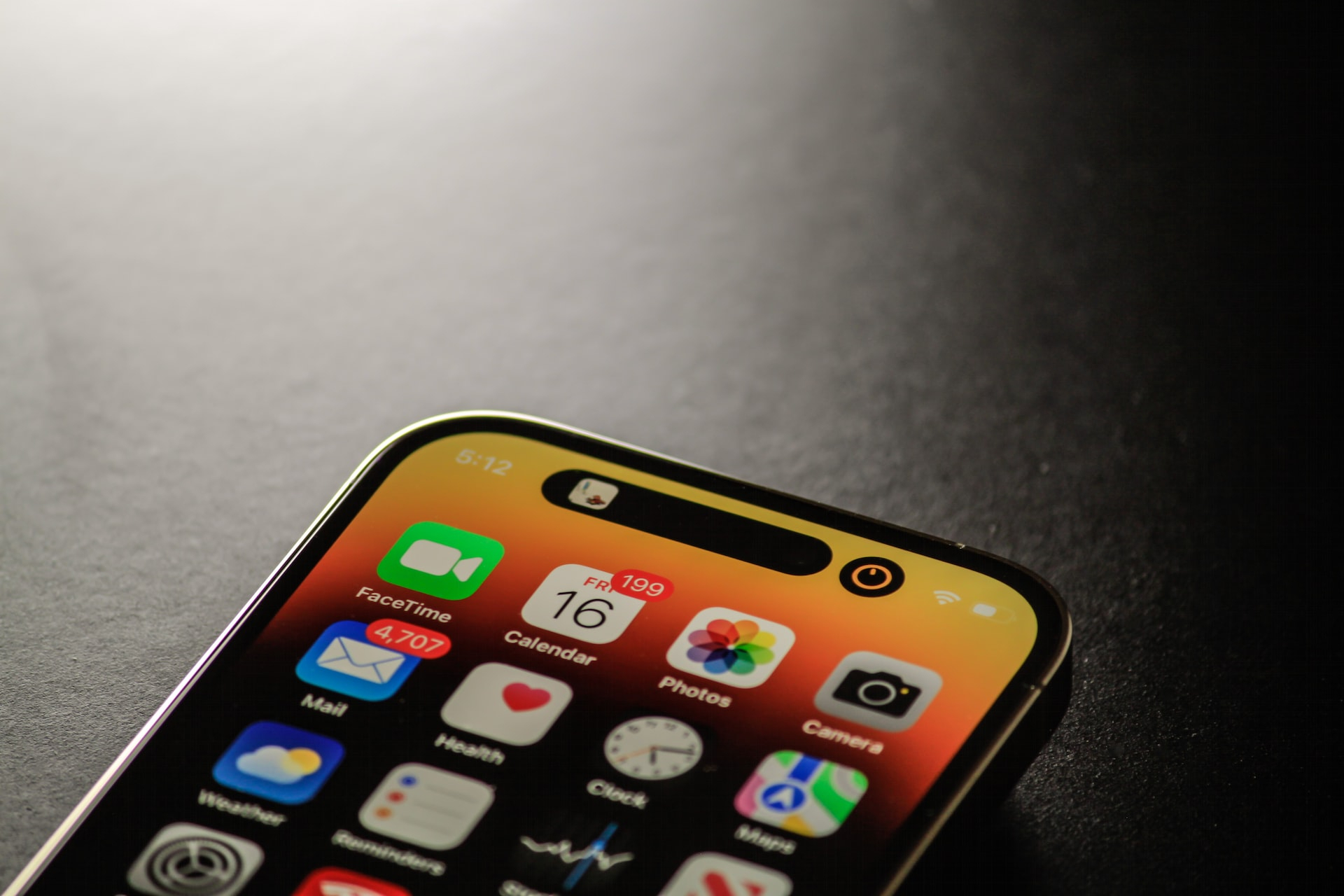
Apple's operating system is increasingly popular among users.

Looking for good Easter gifts? At iServices you'll find gadgets and accessories for all tastes. Take advantage and make this season special.
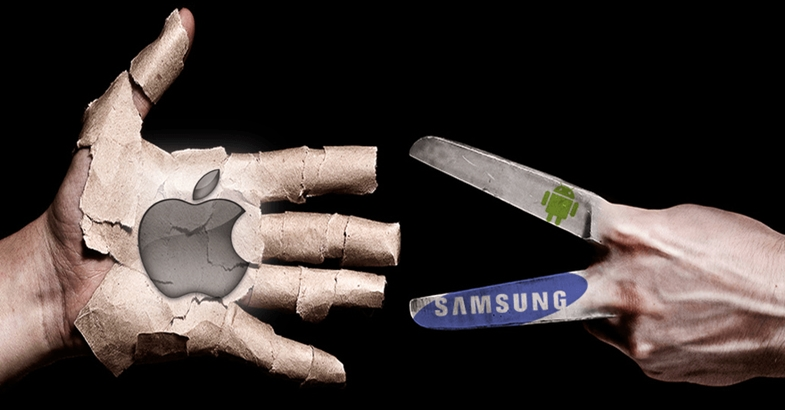
And just when we thought that nothing new from Apple could surprise us anymore, here are new numbers, and incredible ones by the way.