










How does the screen of our smartphones and computers work?
Undoubtedly, one of the most important components in the operation of any electronic equipment. Today we explain how it works.
The screen of smartphones or computers is composed of a set of crystals that are illuminated by the backlight, that is, light emitted from inside the equipment. The higher the screen resolution, the greater the number of pixels (constituent points of the projected image) present on the screen; which improves image quality.
Currently, IPS-LCD screens are the most used, however, there is a whole universe of LCD categories in smartphones and other electronics: OLED, AMOLED, SUPER AMOLED, LCD, LED, IPS, TFT, RETINA, SUPER RETINA XDR, etc. OLED screens are also widely used, as they allow for great quality saturation and color contrast, as well as a much higher screen refresh rate. The screen component is usually composed of a module that includes the glass and the display with touch function. One of the exceptions is on tablets, where the glass is a separate part of the LCD. The other is in computers, where the LCD does not include the touch function, except for the so-called “hybrid” models, such as the Microsoft Surface. The future of screens inevitably passes through foldables. A type of screen that we've been seeing on some computers and essentially smartphones like Samsung's Galaxy Z Flip. At iServices we are specialists in screen repair. In the event of a breakdown, visit your nearest iServices store. Diagnostics are free and repairs are done at the moment!
Recommended Products
View all
 36 Months
 36 Months
 36 Months
Other Articles
See more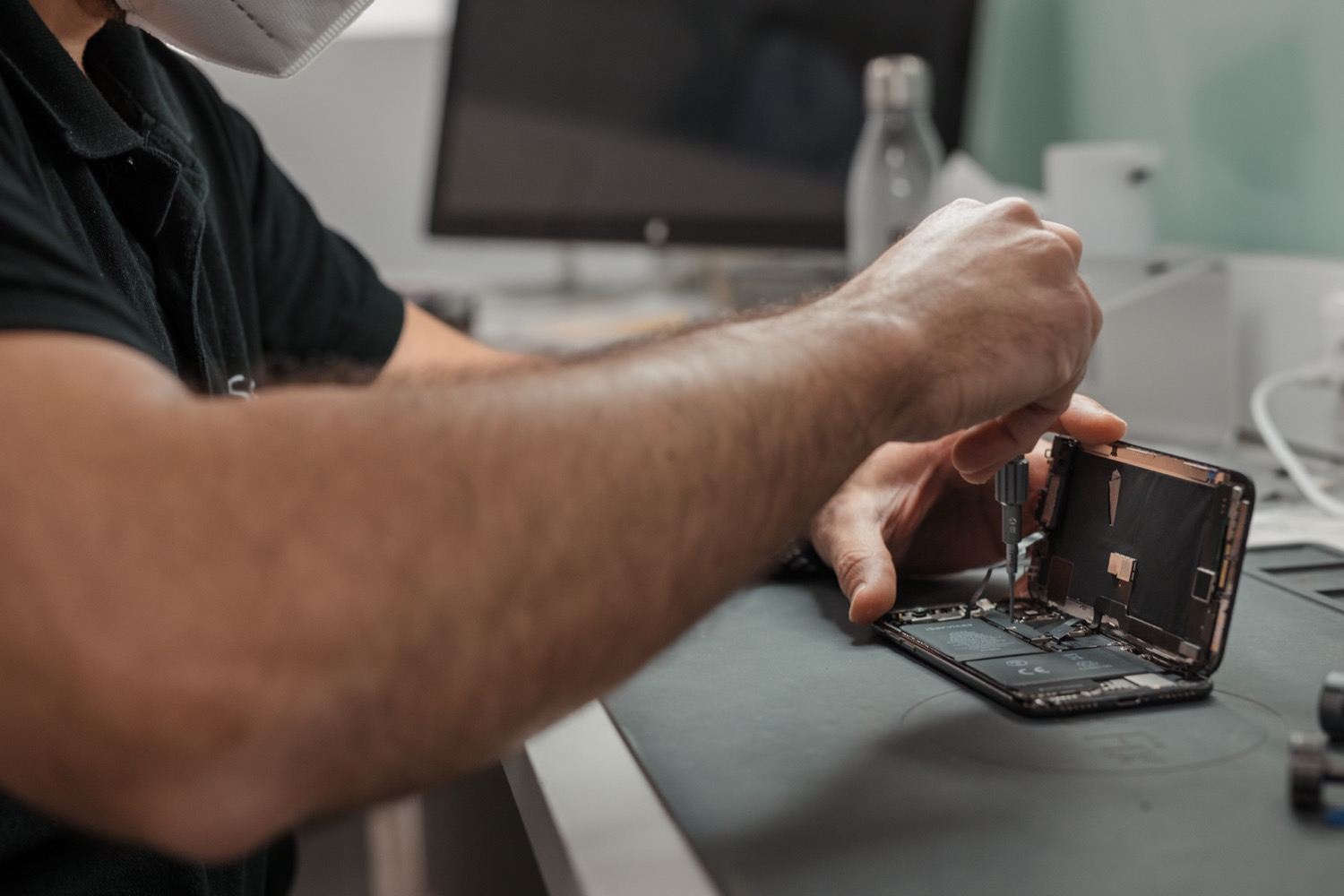
How does iServices repair your phone's camera?
At iServices we repair your phone's camera right away! Read everything about it.
What causes cell phone buttons to malfunction?
Find out how malfunctions can occur in your mobile phone buttons, and always count on iServices.
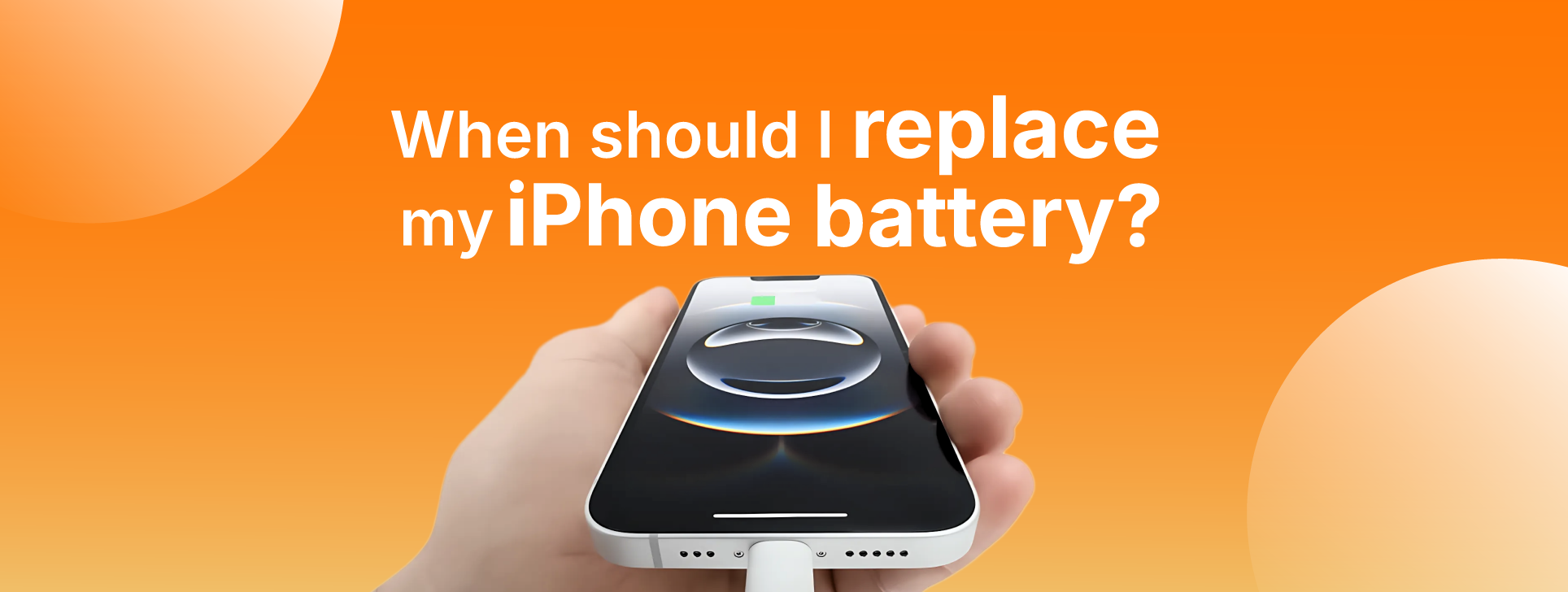
Quando é que devo fazer a troca de bateria no iPhone?
Fica a saber quando deves trocar a bateria do iPhone e como a iServices pode ajudar. Substituição de bateria iPhone rápida e com garantia.