No store found
Try searching for a different store or check your spelling

Favourite Store
Select your favourite store
No store found
Try searching for a different store or check your spelling

In a statement shared today, October 4, the Faculty of Medicine of the University of Porto (FMUP) reveals that in the scope of a study developed by researchers from CINTESIS - Center for Research in Health Technologies and Services "successfully tested the effectiveness of using of the microphones incorporated in the 'smartphones' for the pulmonary auscultation of patients".
The investigation, published in the scientific journal Sensors, showed that the smartphone can be used as an alternative to the traditional stethoscope, as it is "capable of recording lung sounds with quality and capturing abnormal sounds", called adventitious noises.
More than 130 patients participated in the study, mostly with respiratory pathologies, followed in a Portuguese hospital. In a first phase of the investigation, physicians performed pulmonary auscultation with traditional stethoscopes in four locations and documented the recorded adventitious sounds, then auscultated using a smartphone, which was recorded twice in the same four locations. "The use of a 'smartphone' for pulmonary auscultation may contribute to early detection of periods when the patient's condition worsens", says the FMUP, adding that this will allow the implementation of "timely interventions".
At a time when the number of consultations carried out at a distance has increased, this solution is, according to the authors of the study, "very interesting for the implementation of telemedicine services in the monitoring of respiratory diseases", such as asthma and cystic fibrosis.
In this sense, the researchers developed an application, called AIRDOC, to support the remote monitoring of lung sounds in patients with chronic respiratory diseases. Inês Azevedo, pediatrician and professor at FMUP, says that pulmonary auscultation "is essential in monitoring this type of pathologies". "We believe that it can be a promising technology, both for the clinical context and for the future implementation of telemedicine and remote consultations, and even to improve the monitoring carried out by the patients themselves", says the study coordinator.
Cristina Jácome, researcher at FMUP and CINTESIS, explains that this consists of recording "lung sounds with a 'smartdevice' that can then be classified by clinicians or analyzed automatically based on the specific characteristics of the signal".
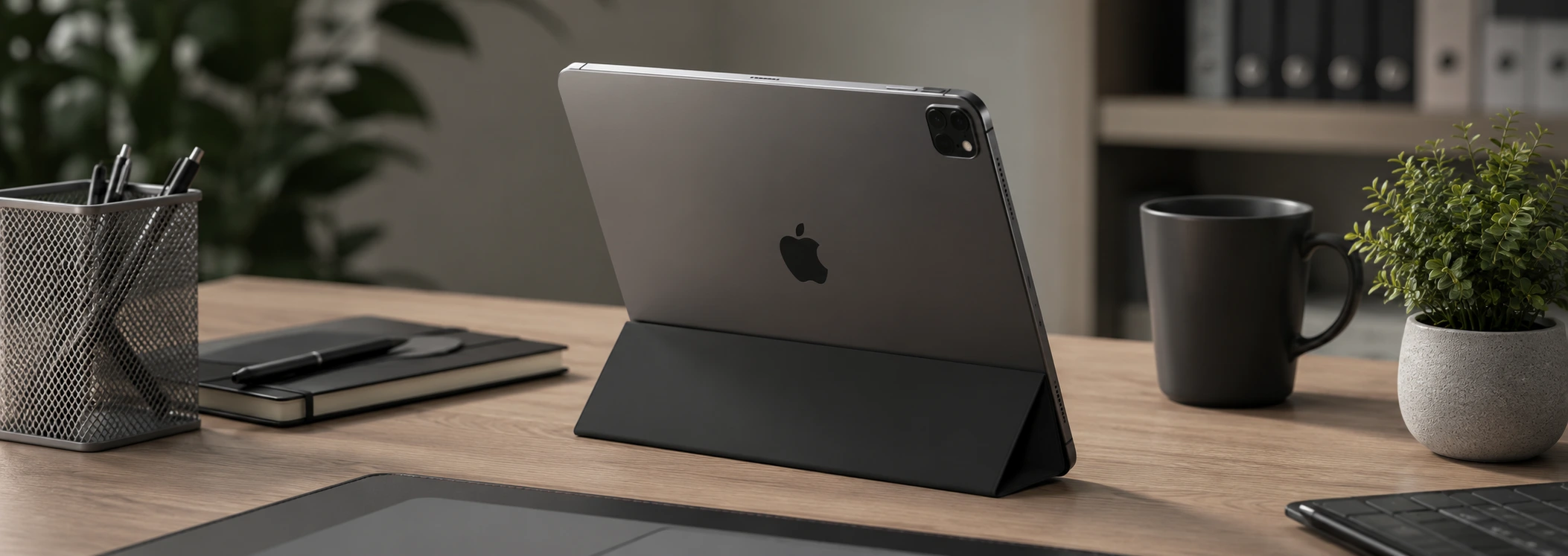
Is it worth buying a refurbished iPad? View the benefits, what you should pay attention to and whether this could be the best option to save money without compromising on quality and warranty.
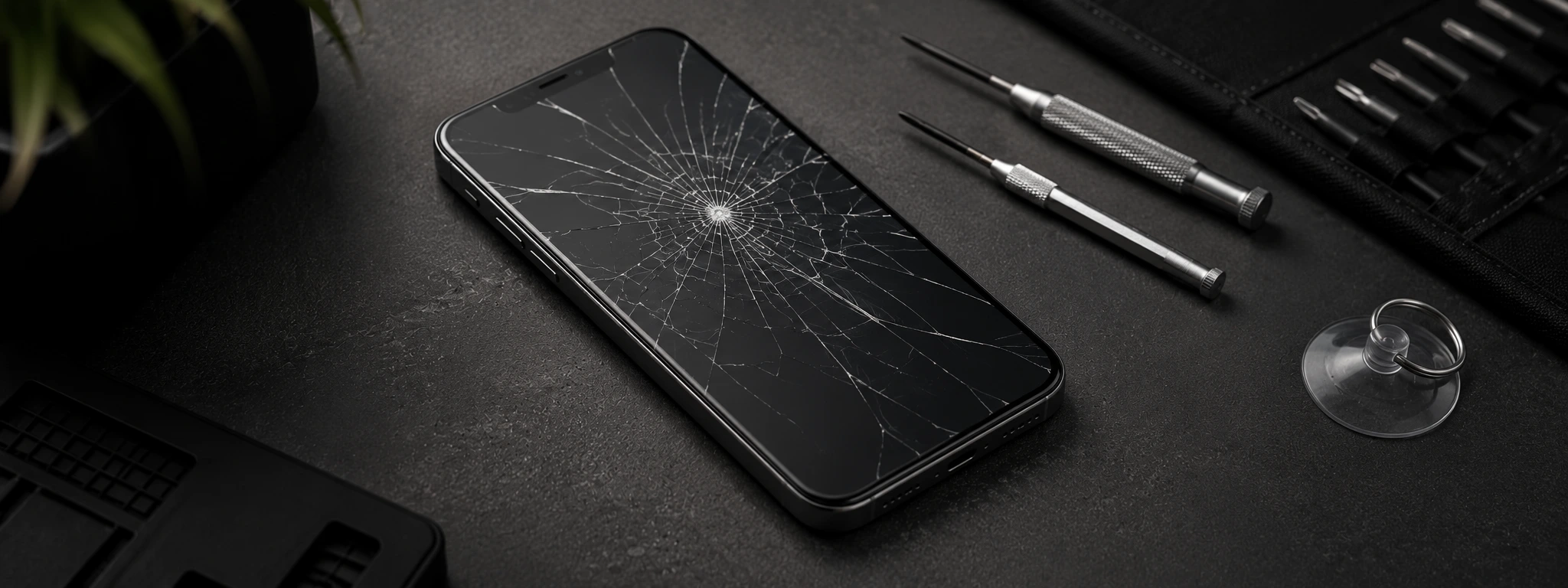
Is your smartphone slow, does it get hot, or does the battery not last long? Discover 5 signs that your device may need a repair and when you should do this.
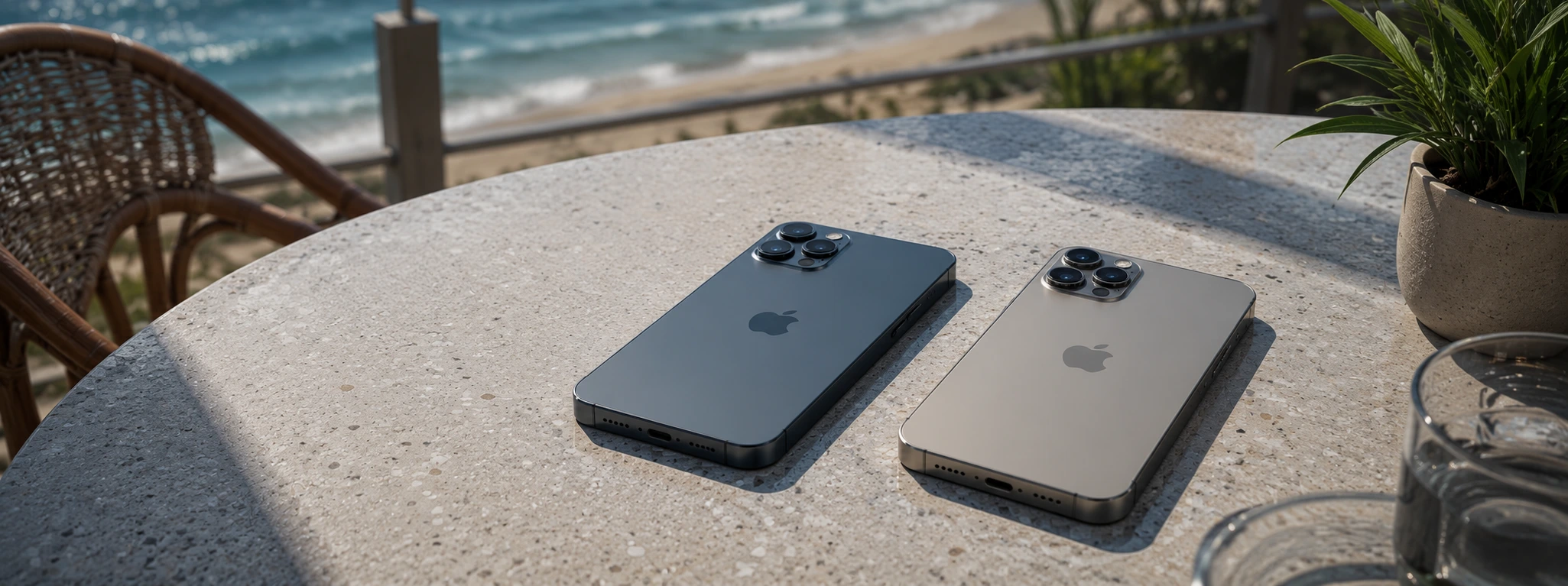
Compare the iPhone 12 Pro and the iPhone 13 Pro. Discover the main differences between the two Apple smartphones and find out which one is the best buy in 2026.