









Physical Buttons vs Haptic Buttons: The Discussion
Will it be an inevitable evolution or to stop?
The discussion of haptic buttons recently began to be raised when speculation was launched about the iPhone 15 without traditional volume buttons.
The evolution of buttons is linked to the development of screens: with the appearance of the touch screen, cell phone keyboards and buttons were largely reduced to about half a dozen, in the case of Android smartphones, and even less in the case of iPhones.
The brands that work on the Android system were the first to innovate. Although starting with three physical buttons at the bottom of their equipment (back, main screen and applications), it was in 2011 that they began to adopt controls from the screen; notably with the release of Android 4.0 Ice Cream Sandwich.
In the case of Apple, the navigation control of its smartphones went through the Home button (which returned the user to the main screen) and controls to go back in applications, native to the programs (arrows in the upper left corner of the apps). With the launch of the iPhone X in 2017, the Home button began to disappear on the brand's new smartphones, introducing a navigation system entirely under the responsibility of the operating system.
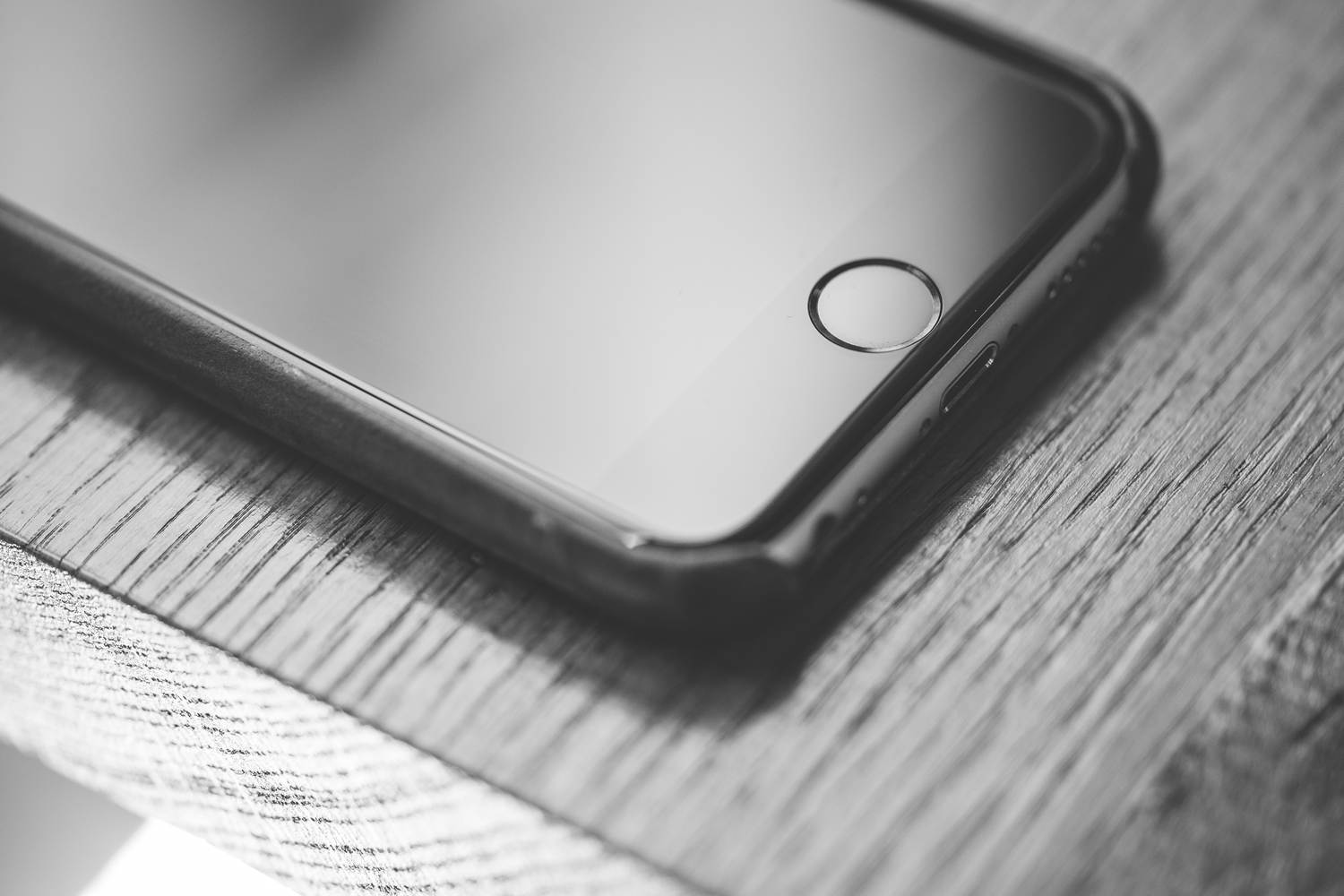
The novelty involves the inclusion of haptic buttons: fixed buttons that respond to touch through a slight vibration. In the case of volume buttons, in addition to haptic feedback, the user also has access to an on-screen volume controller. One of the best examples of a haptic button is the Home button on the iPhones 7 and 8, which many other manufacturers have since adopted.
According to our Smartphone and Computer Button Repair technicians, physical buttons are more vulnerable to mechanical wear with constant use; something that no longer occurs with haptic buttons. On the other hand, traditional buttons offer a greater sense of control of the device for many users.
If you are experiencing any problems with your smartphone, consult the iServices technicians. Visit one of our nearly 40 stores across the country and enjoy a free diagnosis and an on-time, guaranteed repair.
Recommended Products
View all
 36 Months
€1,539.18

€39.95



Other Articles
See more
What are the signs of smartphone camera failure?
Our iServices technicians share the signs of failure in the cameras of the most common mobile phones. Find out now!
5 signs that your Smartphone needs a repair
Is your smartphone slow, does it get hot, or does the battery not last long? Discover 5 signs that your device may need a repair and when you should do this.
What are the most common issues with ports?
The ports of PCs and mobile phones, despite daily care, are not immune to malfunctions. Know the most common faults in the ports.